

Something is happening in Nigeria, wait, no. Scratch that. Something is always happening in Nigeria. But this week? It happened in stereo.
On Tuesday, January 27, 2026, the national grid did what it does best: vanished. One moment, there was light; the next, there was theory. Fans stopped mid-spin like they’d seen a ghost, Wi-Fi routers blinked in confusion, and across the country, generators stirred awake, stretching their limbs like veterans called back into service. Darkness settled in, familiar and almost routine, the kind that doesn’t shock anymore, just disappoints.
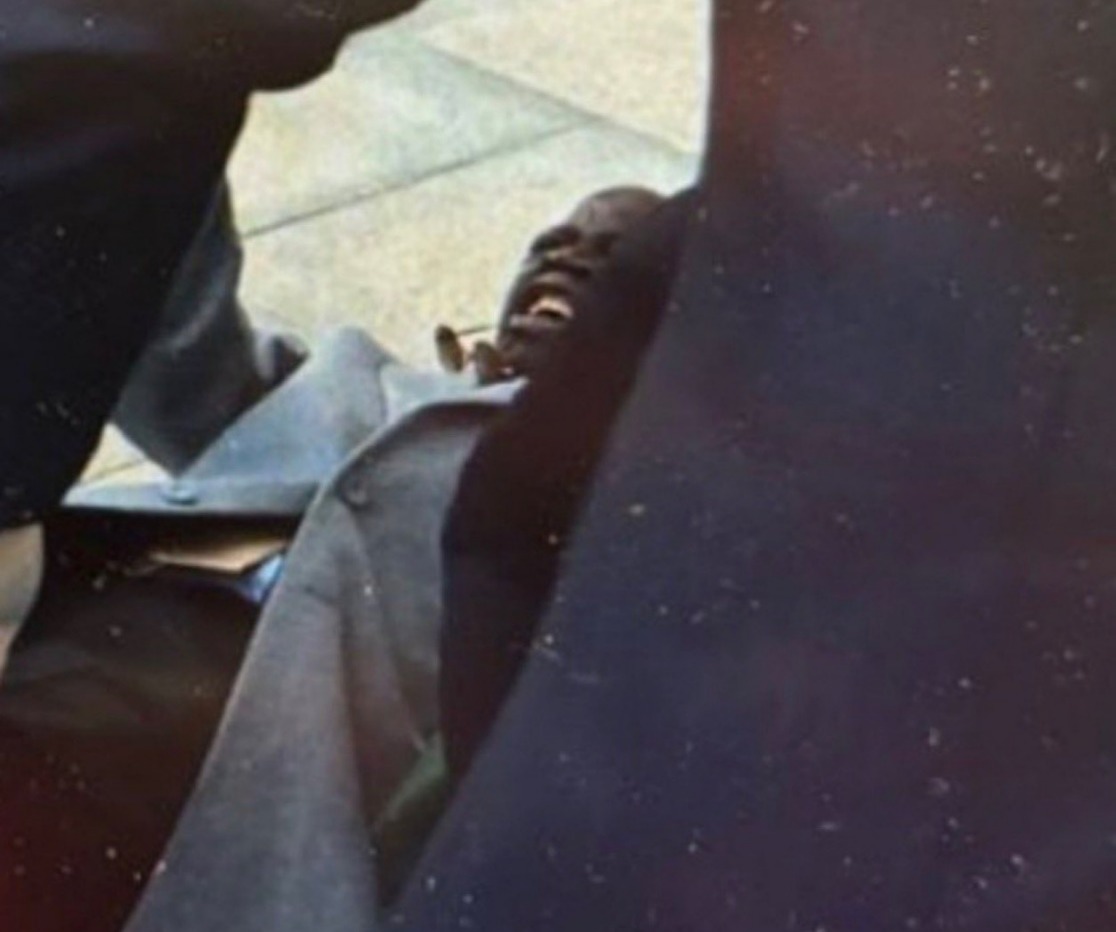
And then, as if the universe wasn’t done clearing its throat, another report began to circulate. This time it wasn’t about megawatts or transmission lines. It was about the president. Word spread that President Bola Ahmed Tinubu had collapsed. Same word. Same country. Same week. The timing felt scripted, like Nigeria was testing a new metaphor and decided not to be subtle.
There was no nationwide panic. Nigerians paused, processed, squinted at phones in the half-light powered by generators and battery savers. Somewhere between the outage and the outrage, a single question floated: Who exactly is still standing?
According to the Nigerian Independent System Operator, the blackout was caused by multiple 330kV transmission lines tripping simultaneously, followed by generating units disconnecting. A system-wide disturbance followed. Everything shut down.
Translation: the grid fainted from stress.
Homes went dark. Businesses hit pause. From Lagos to Kano came the familiar chorus: “Ehn? Again?” Restoration efforts began, and assurances were issued. Nigerians reached for generators, power banks, candles, sarcasm, whatever was closest. Grid collapse isn’t breaking news; it’s tradition. Since 2013, Nigeria’s power system has collapsed so many times it feels like a recurring personality trait. One small issue somewhere, and the whole country powers down like a phone on 1%, pretending it’s fine.
Hours later, another headline dropped, and this one came with video. During a state visit to Turkey, President Bola Ahmed Tinubu appeared to stumble slightly while inspecting a reception parade alongside President Recep Tayyip Erdoğan. Not symbolic. Not political poetry. A real, physical wobble. One misplaced step. A brief loss of balance. Aides moved in immediately, with a speed Nigerians usually associate with power outages in government quarters.
Clarification arrived just as fast. He had stepped on an object. He was tired. He rested. He was perfectly fine. Governance had not missed a beat. No hospital. No emergency. Nothing to see here.
And honestly, fair enough. People stumble. Presidents are people. Legs miscalculate. It happens.
But optics don’t care about explanations. Once the footage hit Nigerian timelines in a country already spent in darkness, it wasn’t just a video. It was content. It was symbolism. Raw material, Nigerian internet culture treats like an open buffet. By the time official statements were done, insisting everything was fine, the memes had already taken office.
The two collapses, side by side, were too perfect to ignore, and Nigerians did what we do best: connect invisible dots with Olympic-level creativity. Timelines erupted:
“National grid collapse for Nigeria, Tinubu collapse for Turkey.” — @Mrlekan213
“Nigeria is testing the plural of collapse.” — @Aynoniii
“Both the grid and the government need multivitamins.” — @Machala_D
“Please, who pressed OFF?” — @kakizusayeed
X, formerly known as Twitter, turned into a full-blown roast session. Edited videos circulated. Sound effects appeared. Captions worthy of Nollywood drama were added. Once a meme enters the Nigerian digital ecosystem, there is no rollback, only forward motion.
The timing couldn’t have been more combustible. Same-day drama is an algorithm crack. Fatigue from long blackouts had already stretched patience to breaking. Conversations about leadership, age, and governance meant even a harmless stumble became symbolic ammunition. And Nigerians process frustration through humour before it hardens into silence.
People weren’t just laughing. They were venting, cathartically, collectively, with creativity that made the chaos feel like a national performance piece.
According to sources who are, let’s be honest, highly placed and completely unverified, the two collapses might have been linked. The theory: when the national grid tripped, it supposedly released a wave of collective frustration so intense it briefly unsettled leadership itself. Locally, this phenomenon is known as “Ah ah?? Again?” and, if believers are right, it can travel from Mushin to Aso Rock in under three seconds. Witnesses swore the lights in Aso Rock flickered. Air conditioners hesitated. Someone muttered the inevitable: “Shey this thing collapse again?” And just like that, the second headline dropped. Coincidence? That’s between you and your data bundle.
The real shock isn’t that two collapses happened in one week. It’s how easily Nigeria absorbed it. Life didn’t grind to a halt. Businesses adapted, fuel prices ticked upward, generators roared back to life, and memes poured onto every timeline with the precision of a well-oiled comedy machine. Nigerians did what we’ve always done: survive, adapt, joke, and move on, quietly observing everything while doing it.
The story itself is absurd, which is exactly why it feels believable. Is all of it true? Parts absolutely are. Parts… well, that’s left to your discretion. Our source, incidentally, is currently recovering somewhere in Yaba Left, which you might consider before taking this as gospel.
This isn’t fake news. It’s just Nigeria, powered by resilience, sarcasm, and backup generators. Trend responsibly because your battery might die mid-scroll.